Lab-Grown Diamonds: What to Know Before You Buy
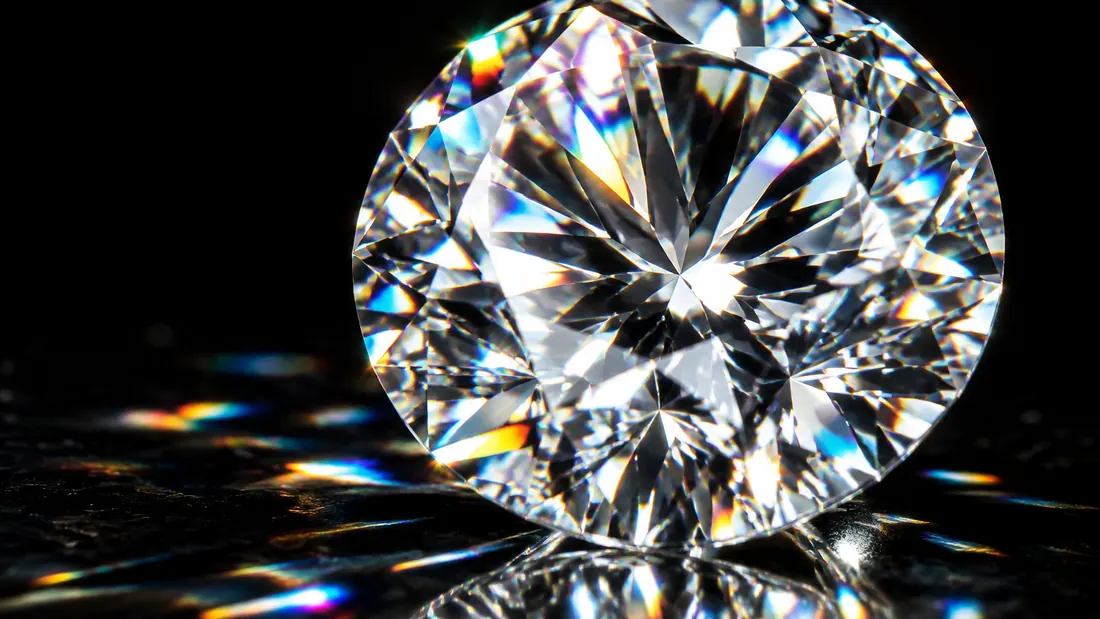
A lab-grown diamond is not a simulant - it is a diamond, with the same carbon crystal structure, hardness (10 on the Mohs scale) and optical properties as a mined stone. Even a jeweler's loupe often cannot tell them apart; identification requires specialized equipment. The only difference is origin: one formed underground over a billion years, the other formed in a laboratory over weeks.
HPHT (high pressure, high temperature) recreates the earth's conditions - carbon squeezed until it crystallizes. CVD (chemical vapor deposition) grows the crystal from carbon gas in a plasma chamber, layer by layer. Both produce genuine diamond. Method matters less than the quality of the finished stone, which is graded the same way regardless of how it grew.
Cut, color, clarity and carat grade lab-grown stones by exactly the same standards as mined ones:
Lab-grown diamonds cost 60 to 85 percent less than mined equivalents - the single biggest fact in this guide. A one-carat mined solitaire might run $6,000; the lab-grown equivalent, $1,200. That gap means either the same look for far less, or dramatically more carats for the same budget. On pavé and tennis pieces, lab-grown stones make diamond chains accessible at prices mined stones cannot touch.
The trade-off is resale. Mined diamonds hold a portion of their value; lab-grown stones, whose supply is not scarce, have minimal resale market. Buy lab-grown as jewelry to love, not as an investment to liquidate - and if resale value matters to you, that is a mined-stone conversation. For a chain worn weekly, the cost-per-wear math favors lab-grown overwhelmingly.
Insist on certification from a recognized gemological lab (IGI is the standard for lab-grown) stating the stone is lab-grown diamond with its 4C grades. Ask about the setting metal too - a 'diamond chain' is only as good as its 14k gold or sterling setting. Reputable sellers answer both questions without hesitation.
The diamond was always about the light it throws, not the dirt it came from.
Solitaires get the attention, but lab-grown stones transform pavé and tennis designs most of all. A tennis chain holds dozens of stones - at mined prices, that multiplies into five figures; with lab-grown, the same design lands within reach of an everyday chain. The stones are graded by the same 4Cs, set in the same gold, and sparkle identically under the same lights. For link-heavy diamond jewelry, lab-grown is simply the rational default.
Mined diamond extraction moves tons of earth per carat; lab growth uses energy but not excavation. For buyers who weigh provenance, lab-grown offers a supply chain that is auditable end to end - the stone's origin is a laboratory with records, not a mine with intermediaries. Certification matters here too: IGI reports state origin explicitly, so the claim is documented rather than asserted.
Diamonds are the hardest material in jewelry but not invulnerable: the settings around them are softer. Clean diamond chains monthly with warm water, a drop of dish soap and a soft toothbrush (the stones survive; the brush only touches metal and setting edges), rinse and dry fully. Remove before lifting weights or contact sports - a blow to the setting, not the stone, is what loses diamonds. Store separately so nothing scratches the gold.
Explore our diamond chains collection - certified lab-grown stones in solid gold settings.
Before buying any lab-grown diamond piece, confirm three things: the grading lab (IGI or GIA), the report number matching the stone, and the stated origin ('lab-grown diamond' - not 'CVD stone' or vague phrasing). Reputable listings show the certificate or offer it on request; hesitation on any of the three is the clearest signal to walk. The same checklist applies to the setting metal: 14k or 18k gold should be stamped or stated plainly.
The decision compresses cleanly. Buy lab-grown when you want maximum visual impact per dollar and plan to keep the piece - chains, pavé and fashion-forward designs. Consider mined when resale value or traditional provenance matters to you or the recipient. Neither choice is wrong; the mistake is paying mined prices for lab stones or expecting lab stones to resell like mined ones. Match the stone to the purpose and both deliver.
Ready to get to work? Shop the collection - free US shipping, tax free.